
Marine Plywood vs. Structural vs Decorative Plywood: When Do You Really Need It?
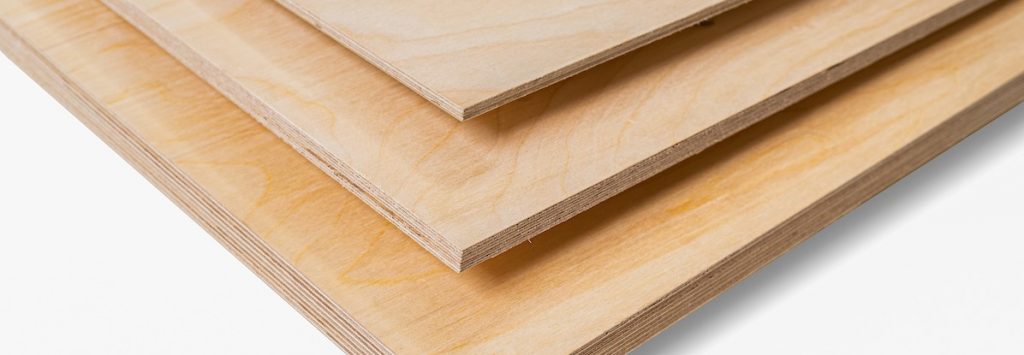
Plywood is an engineered timber product that comes in many different standards for a large variety of applications. The 3 main types of plywood most people are familiar with are Structural, Decorative and Marine.
Plywood is constructed by layering veneers of timber in alternating cross and long grain direction to create a strong, versatile and durable engineered wood panel.
Plywood in Australia is constructed predominantly from Radiata or Aracuria (Hoop) pine. Pine is considered a softwood, it is easy to work with, lightweight, and is more environmentally friendly than hardwood. Softwoods are an open-celled timber which makes them more receptive to treatment, staining, and preservatives (and of course water), whereas hardwoods have a denser cell structure due to slower growth, which makes them harder to work with and less pervious to treatment, staining, and of course WATER.
So what is Structural plywood?
Structural plywood is made for strength; it is rated with an F rating, which determines its strength load per cubic meter, the higher the rating the stronger the board. F rating ranges from F7 to F27, F8 & F11 are predominantly used in bracing, F14 is used for flooring and roofing applications, F17 is for formwork and commercial applications, and F27 is for higher-density maximum load-bearing needs. Structural plywood is constructed with A-bond, waterproof glue produced from phenol formaldehyde resin.
Not so pretty to look at, Structural plywood has knots in its faces, filler in gaps and cracks, and defects can often be remedied with timber patches. More often than not faces are sanded to a paintable finish. Structural plywood has a greater tendency to warp in varying temperatures, whilst that does not affect its strength it does make the product unsuitable for doors and cabinetry.
Structural Plywoods can be treated against rotting and insect attack for outdoor and in-ground use, it can be coated with a paper and resin application to create a black slippery surface required for concreteing and form work, it can be coated with metal and checker plating for trailers and vehicle linings. The uses for structural plywood are endless.
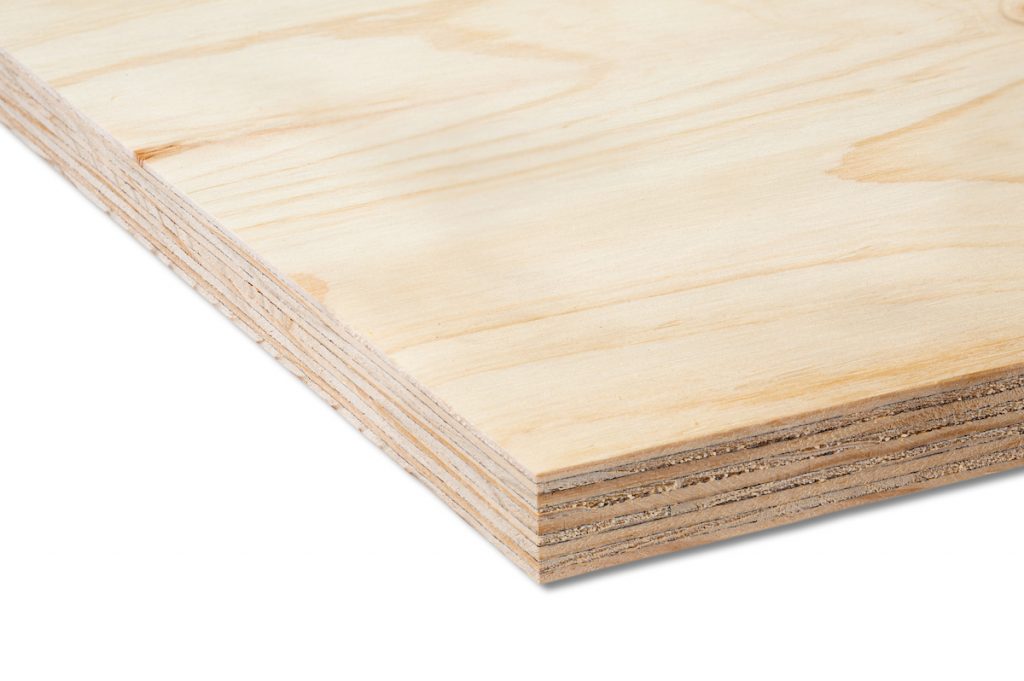
CD Ply
So what is Decorative plywood?
Decorative plywood is made for its appearance often from different species of timber such as Birch, Poplar, Bamboo or Pine. Plywood veneer grades range from AA being extremely clean and clear of any imperfections or knots to a D grade finish which consists of open knots and is un-sanded. Decorative plywoods are predominantly used in indoor applications and are constructed using a C-Bond glue that can only withstand occasional exposure to damp and is usually produced from urea formaldehyde resin.
Decorative plywood has an incredibly clean look and can be clear lacquer coated or stained to bring out the natural grain in the timber for a beautiful finish.
Decorative plywood makes beautiful furniture, the layering of veneers gives it the strength it needs whilst the A-grade veneers provide the beauty and aesthetic appeal. It is easy to work with, and is also often used as wall panelling in the home and office to add a warm inviting appeal and as acoustic panelling to help absorb sound.
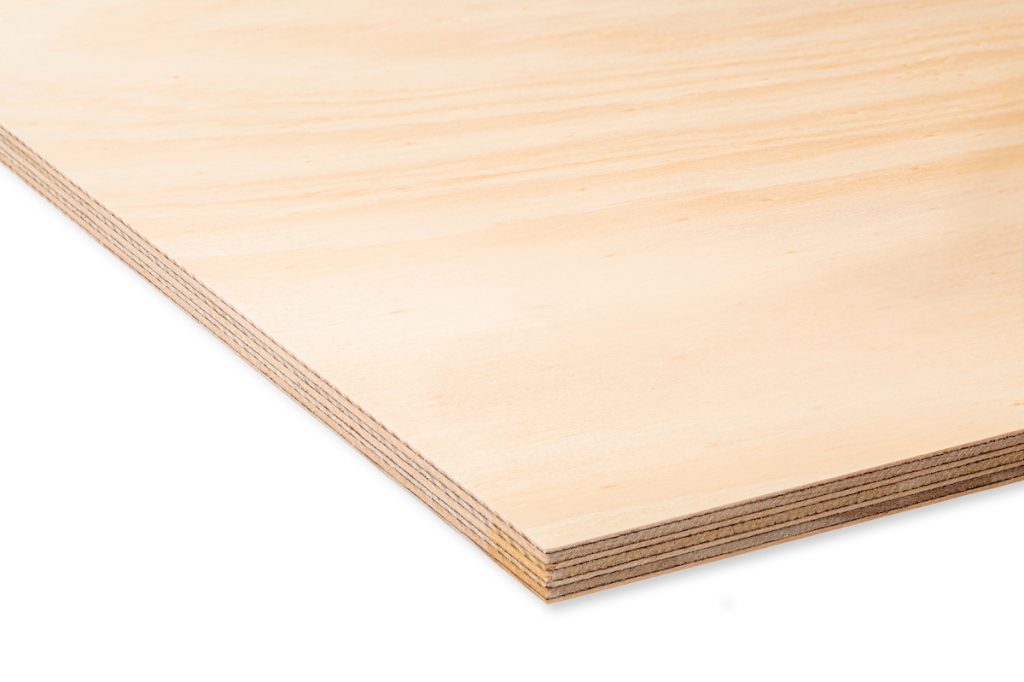
Austral Araucaria Ply
So what is Marine plywood?
Marine Plywood is at the top of the Plywood food chain for appearance, strength and durability. The timber veneer is a high, A – grade appearance with no knots or defects, just a beautiful wood grain finish. Each layer of veneer is an A – grade standard and veneers are often thinner than structural plywood so more are needed to achieve the overall thickness of the board. Using many thin A – grade veneers ensures marine plywood is extremely durable and strong, with minimal bowing. Each veneer is laminated using A-bond marine glue, the bond is impervious to water however the timber is not.
There has always been a lot of misinformation around Marine plywood being water proof and suitable for outdoor projects as it can withstand external conditions, but I’m here to tell you that this is NOT entirely true. Yes Marine plywood can be used outside but it must be treated or coated to prevent damage from moisture.
In Australia, Marine plywood must comply with the standard AS/NZS 2272 or BS 1088 (British standard). Australian marine plywood is made from Hoop or Aracuria Pine whereas the British standard is often constructed of Gaboon/Okoume, Meranti or Lauan.
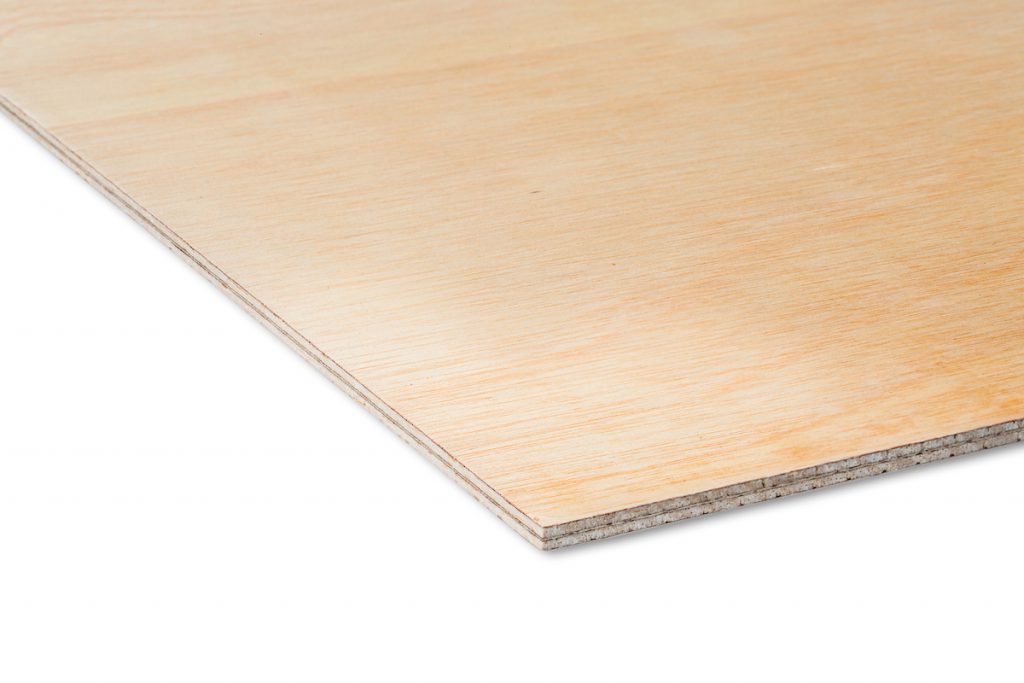
Hardwood Exterior Ply
When to choose what type plywood
When you think Structural plywood, think construction. Structural plywood is best used for flooring & roofing, hoarding & barricades, packaging & crates, house bracing, shed linings, and many construction applications like stables, agricultural buildings and more.
Decorative plywood is used when appearance is the most important factor. Decorative plywood makes beautiful furniture, adds warmth when used as internal wall linings, can be used in craft applications and for acoustic applications.
Marine plywood is used in applications such as boat building, outdoor furniture, exterior structures and cabinetry. But remember you still need to protect the timber from moisture, marine plywood is NOT water proof.
I hope this helps you to decide which plywood you will need for your next project. Allboard distributors stock a full range of structural, decorative and marine plywoods that you can have delivered, cut to size or come and pick up from any of our branches.