
Form Ply 101: Essential Knowledge for Melbourne Construction Projects
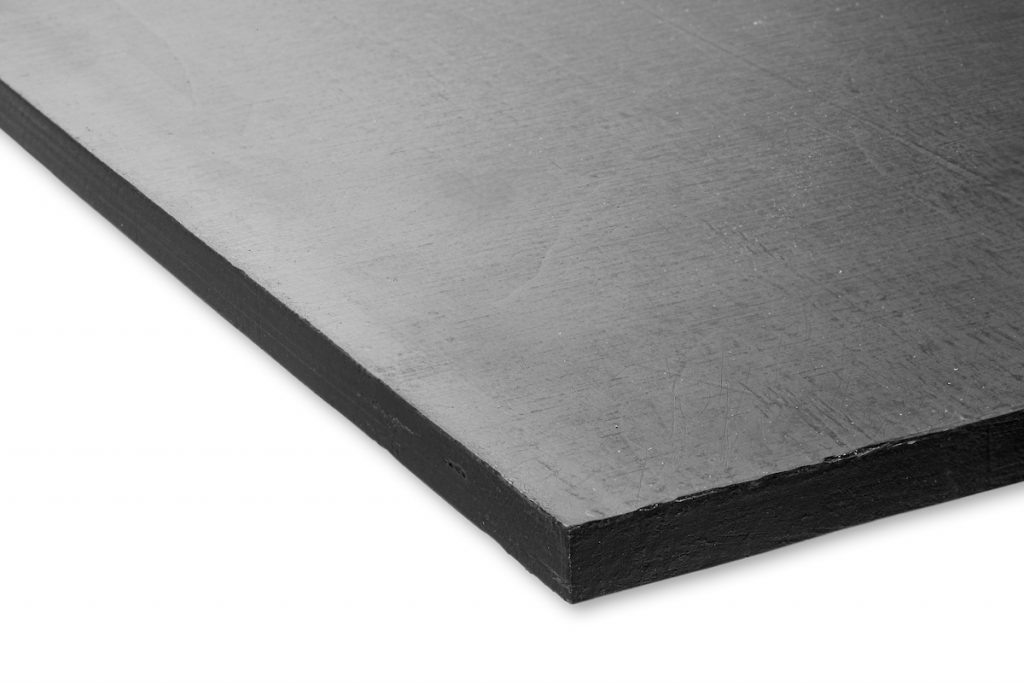
Every concrete pour is only as good as the formwork holding it. Get the wrong sheet material on site and you are looking at a rough finish, a form that will not survive a second use, or panels that will not strip cleanly. Form ply exists to solve exactly this problem, and for anyone specifying, quoting or ordering board for a construction job in Melbourne, understanding what makes it different from other structural sheets is worth ten minutes of reading. This guide covers what form ply is, why it holds up on site, how to pick the right thickness, and how to get more pours out of every sheet.
What is Form Ply?
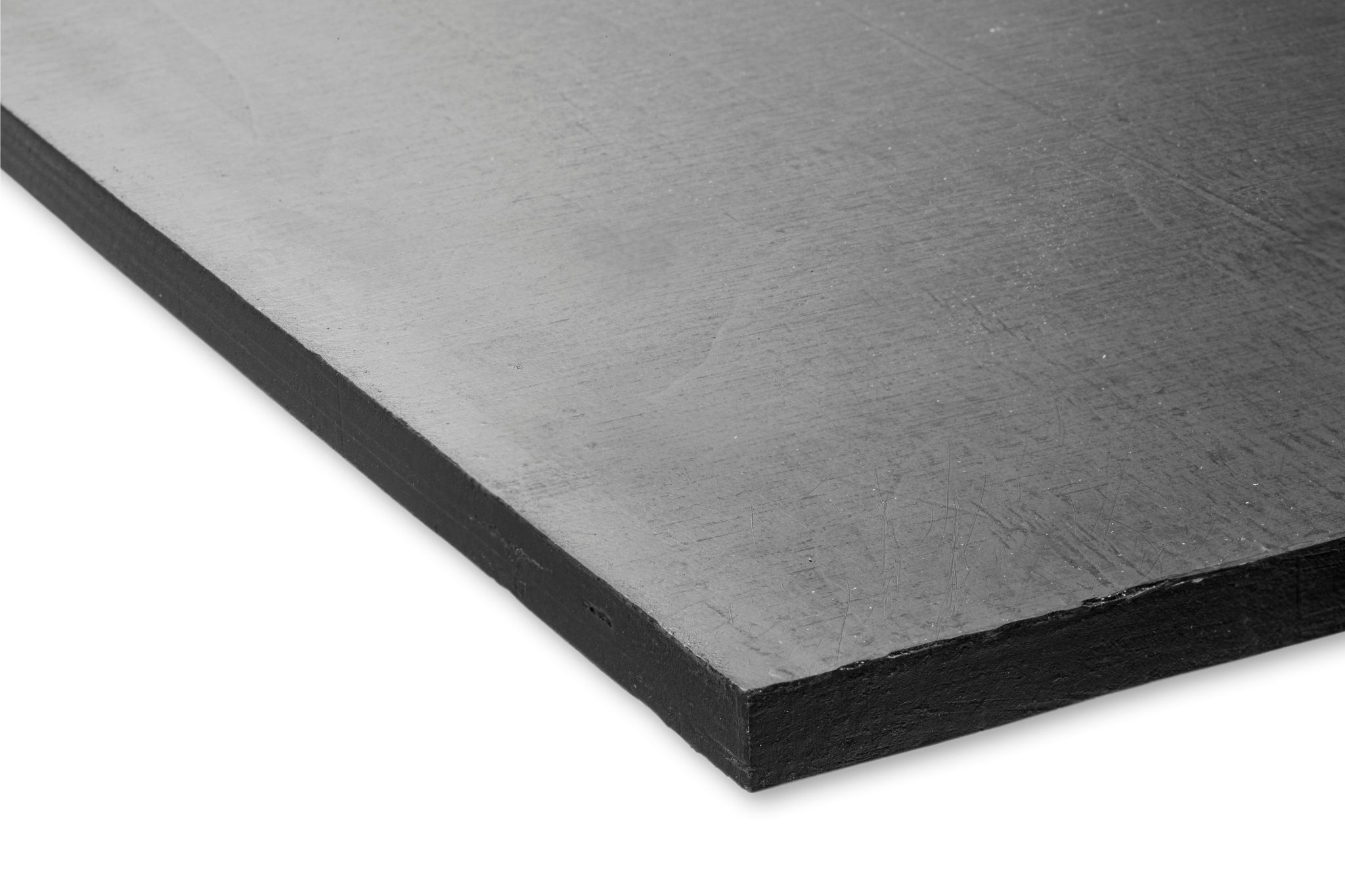
Form Ply, also written as formply, is a structural plywood engineered specifically for concrete formwork. Where standard structural plywood is built for strength alone, form ply adds a phenolic film layer bonded to both faces of the sheet. That film does the real work: it stops the timber veneer from soaking up bleed water during the pour, so the concrete comes away from a smooth, sealed surface rather than a raw timber one.
Underneath the film, form ply is still a cross-laminated structural sheet, built from veneers glued at right angles to resist warping as moisture and temperature change on site. In Australia, structural plywood is manufactured and stress-graded to meet AS/NZS 2269, with the formwork-specific requirements set out separately under AS 6669. Sheets that meet the F17 stress grade are the benchmark most Melbourne builders specify, because F17 formply has been independently tested for load-bearing use in walls, suspended decks, columns and precast work.
It is worth noting that not everything sold as “film face” ply is structural. Imported film face plywood is often non-structural and better suited to decorative, joinery, furntiure or hard-wearing surface applications rather than load-bearing formwork, so it pays to confirm the grade before it goes on site.
If you are speccing a job, our F17 formply range sits alongside the wider structural plywood range, so you can compare both side by side before you order.
Benefits for Formwork
Two things matter most on a formwork job: how many times you can reuse the sheet, and what kind of finish it leaves behind.
- Durability. The A-Bond phenolic adhesive used in form ply is built to survive repeated exposure to wet concrete, which is naturally alkaline and hard on ordinary timber sheets. Combined with the cross-laminated core, this is what lets a well-handled sheet of form ply go through multiple pours rather than one.
- Finish quality. The film face is what gives form ply its trademark result: a Class 2 off-form finish on the first pour, achieved without extra work from the crew. On any job where the concrete face will be seen, whether that is an exposed column or a soffit, this saves the time that would otherwise go into patching or grinding back a rough surface.
Choosing the Right Thickness
Form ply is sold in a handful of standard thicknesses, and the right one comes down to the load the formwork will carry and how often it will be struck and reused.
| Thickness |
Typical Application |
Notes |
| 12mm | Light-duty forms, temporary edges, low-load domestic work | Least expensive option; not suited to repeated heavy pours |
| 17mm | Walls, suspended decks, columns, precast panels | Industry standard thickness, typically F17 graded |
| 25mm | Heavy engineering formwork, high-load commercial pours | Specified where extra stiffness or reuse count is critical |
For most Melbourne construction and civil jobs, 17mm F17 form ply is the safe default. It carries the structural rating specifiers expect to see on a compliance certificate, and it is the thickness held in the deepest stock by suppliers, which matters when a job needs more sheets at short notice.
Every job is a little different, so if you are not sure which thickness suits your pour, our team can talk it through before you order, and we can also cut sheets to your exact site dimensions to save you time on the saw.
Maintenance for Reuse
Form ply is not a single-use product, but how it is treated on site determines how many pours you actually get out of it.
- Strip and clean promptly. Bleed water and cement paste left to dry on the film face is far harder to remove than concrete cleaned off while it is still workable. A stiff brush and water is usually enough; avoid metal scrapers, which can scratch through the film and expose bare veneer.
- Protect the edges. The cut edges are the one part of the sheet without a film coating, so they are the first place moisture gets in. Sealing exposed edges after cutting, and again after any damage, extends the working life of the sheet considerably.
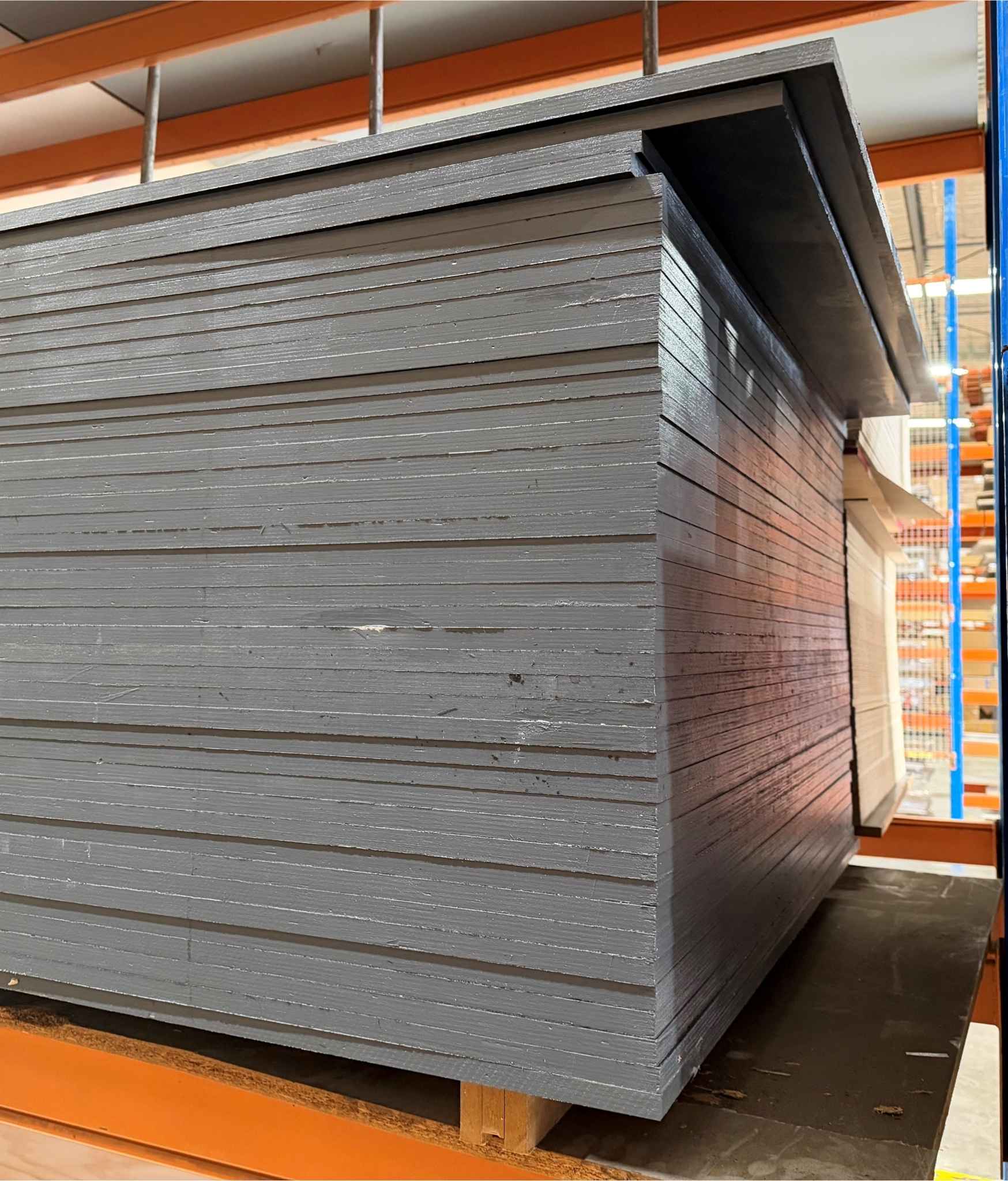
- Store it flat and undercover. Leaning sheets against a fence in the weather is one of the fastest ways to warp a stack of form ply. Flat storage, off the ground and out of direct sun, keeps sheets true for the next job.
- Handle it with care between pours. Dropped sheets and rough handling on a forklift do more damage over a project than the concrete itself.
With reasonable care, F17 form ply can be reused across several pours before it needs replacing, which is a large part of why it works out more economically than it first appears on a quote.
Frequently Asked Questions
What is the difference between form ply and structural plywood?
Both are structural sheets, but form ply has a phenolic film bonded to each face specifically for concrete formwork, giving it a smooth, reusable surface. Structural plywood without this film is intended for general construction uses such as bracing, flooring and roofing, not repeated contact with wet concrete.
Is form ply waterproof?
Structural form ply is manufactured with an A-Bond (WBP) adhesive, meaning the glue line itself is boil-proof and will not break down with repeated moisture exposure. The phenolic film adds a further barrier against water absorption, though the exposed timber edges still need to be sealed and looked after.
How many times can form ply be reused?
This depends on handling and site conditions more than the sheet itself. Cleaned promptly, stored flat, and with edges sealed, F17 form ply can be reused across multiple pours before it needs replacing.
What thickness form ply do I need?
17mm F17 form ply is the standard choice for most walls, suspended decks, columns and precast work in Melbourne. Lighter 12mm and 15mm sheets suit smaller domestic jobs, while 18mm and above is reserved for heavier engineering formwork. If in doubt, talk to our team before you order.
What is the difference between form ply and film face ply?
Film face ply looks the same as form ply with its distinct black phenolic finish however there is one major difference, film face is non-structural and does not meet strict Australian standards. Film face is best used for joinery, sheds, vehicle trays, furniture and shopfitting displays.
Whether you need a full pack of 17mm F17 form ply for a multi-storey pour or a handful of sheets cut to size for a smaller job, Allboard Distributors stocks form ply, structural ply and film-faced ply across our Melbourne branches, ready for pick-up or next-day delivery. Get in touch with our team to check stock and get a quote.